

What Happens if a Parent Violates a Custody Order in Texas?
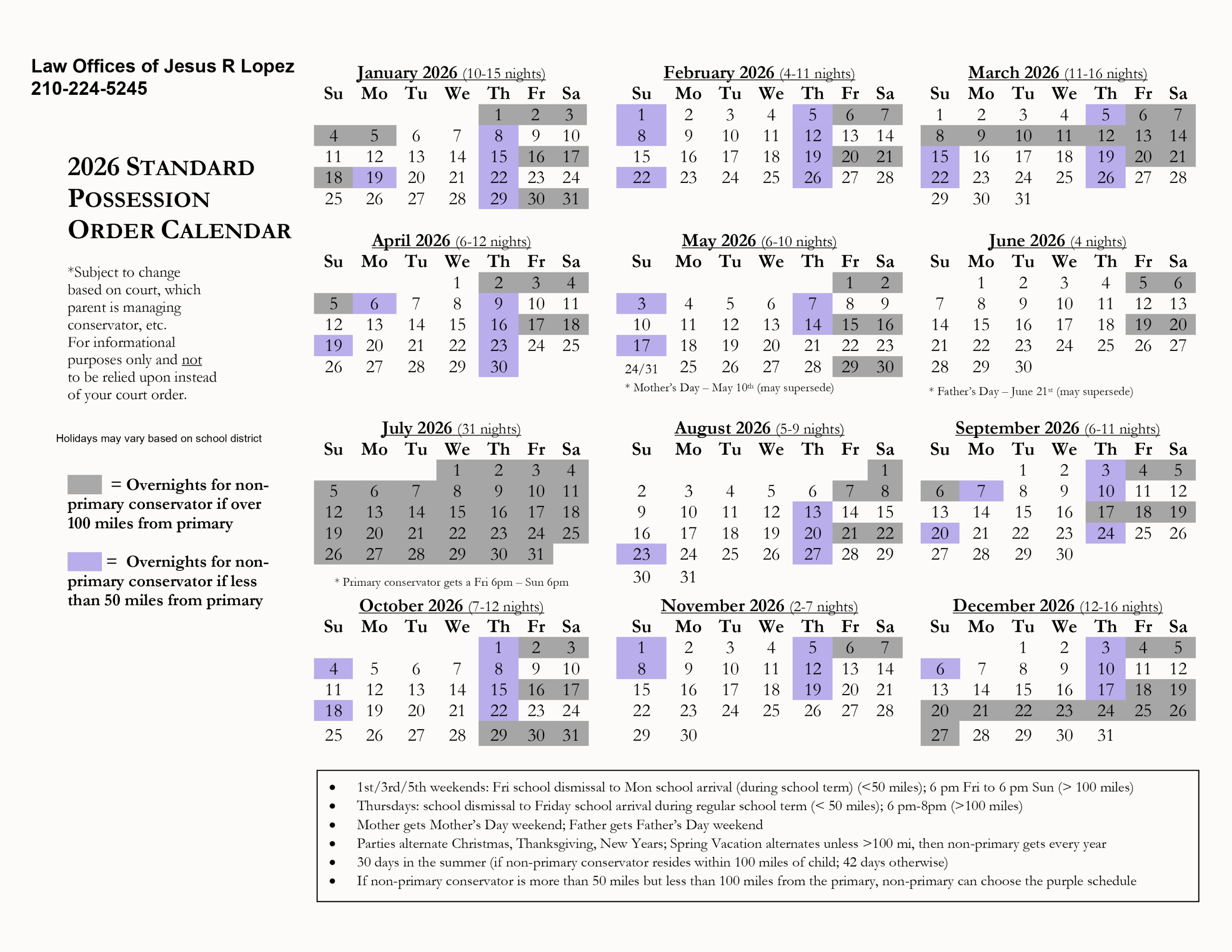
Custody orders (called possession and access in Texas) are legally binding.
When a parent refuses to follow the order — such as withholding the child or repeatedly violating the schedule — the court can step in quickly.
Here’s what Texas law says happens when a parent violates a custody order.
⭐ 1. The Violation Must Be Documented
Judges want proof, not just accusations.
Evidence may include:
- Text messages
- Emails
- Missed exchange logs
- Witness statements
- Police reports
- Evidence of interference
Document every denied visit or violation.
⭐ 2. You Can File a Motion to Enforce
A Motion for Enforcement asks the court to:
- Order the parent to follow the schedule
- Issue make-up visitation
- Impose fines or penalties
- Hold the violating parent in contempt
- Modify the custody order if needed
The motion must list each violation by date, time, and exact provision.
Internal link: → Visitation Enforcement page
⭐ 3. The Court Can Order Make-Up Visitation
Texas courts regularly award make-up time when a parent is denied visits.
This may include:
- Entire weekends
- Holiday replacements
- Extended summer time
Judges want both parents to have meaningful time with the child.
⭐ 4. The Court Can Hold the Parent in Contempt
Contempt is serious and may result in:
- Fines
- Community service
- Attorney’s fees
- Jail time (in severe cases)
A judge will use contempt when violations are repeated or intentional.
⭐ 5. Custody Can Be Modified if Violations Continue
Interfering with visitation is considered parental alienation and is one of the top reasons judges modify custody.
A parent may lose primary custody if:
- They intentionally interfere with possession
- They try to turn the child against the other parent
- They repeatedly violate the court order
- They ignore communication rules
Internal link: → Child Custody page
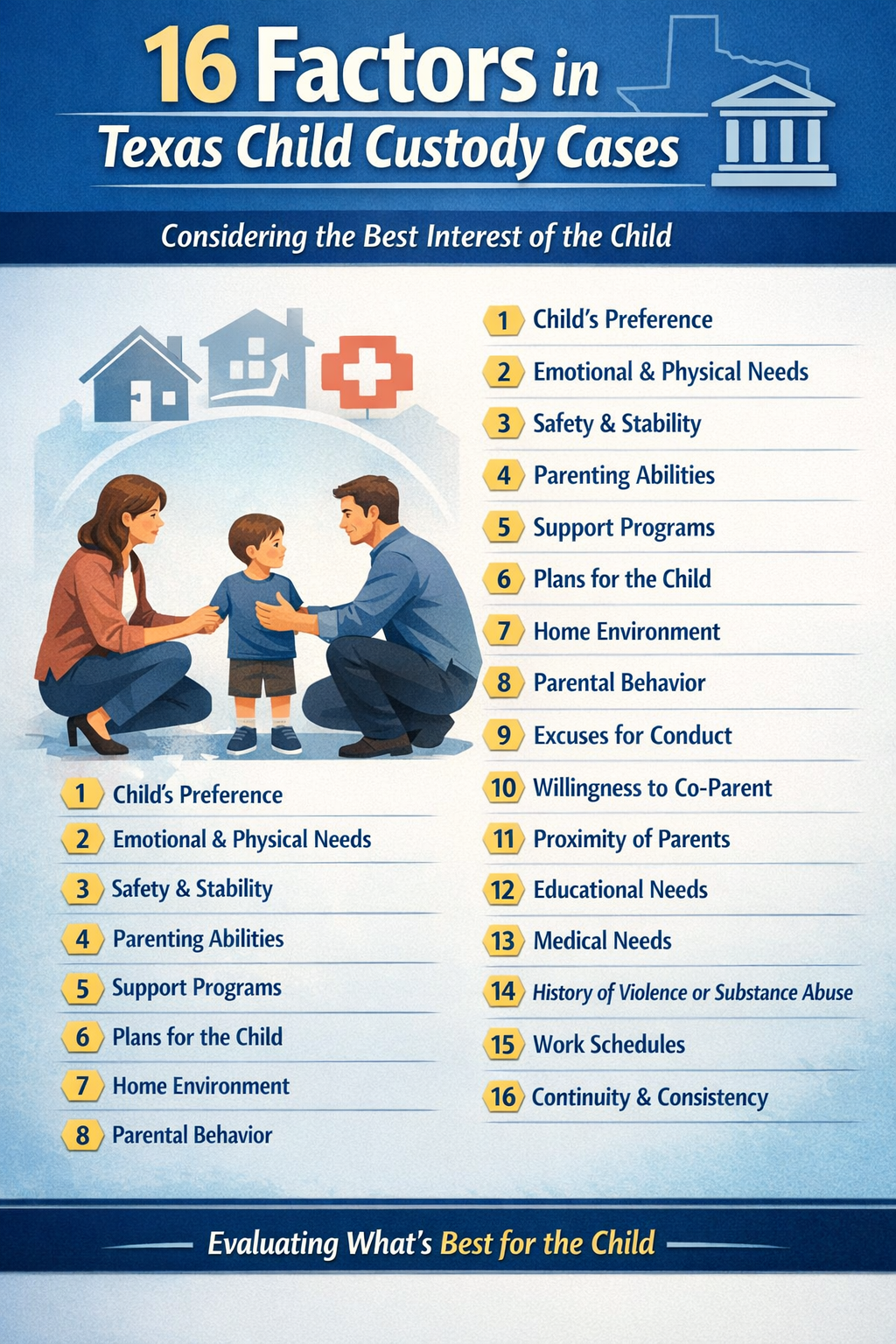
⭐ 6. The Court Focuses on the Child’s Best Interests
Even if arguments exist between parents, the judge looks at:
- Stability
- Safety
- Mental/emotional well-being
- Consistency in parenting
- Cooperation between parents
Violations that harm the child’s relationship with the other parent are taken very seriously.
⭐ What Should You Do If the Other Parent Violates the Order?
✔ Document everything
✔ Do NOT withhold the child in retaliation
✔ Contact a lawyer early
✔ File enforcement if violations continue